Ever dropped into a 100-player firefight on your phone while waiting for your coffee to brew—and suddenly missed your bus stop? Yeah, 2018 was that kind of year. It’s when battle royale mobile games exploded from niche curiosity into global obsession, raking in billions and turning subway commuters into elite squad leaders.
In this post, we’ll rewind to the chaotic, caffeine-fueled golden era of battle royale mobile games 2018. You’ll discover which titles ruled the charts, why they mattered, how they shaped today’s mobile esports scene, and what lessons still apply to players (and developers) in 2024. Expect brutal honesty about overhyped launches, firsthand war stories from beta tests, and data-backed insights you won’t find in recycled listicles.
Table of Contents
- Why Was 2018 a Turning Point for Battle Royale Mobile?
- Step-by-Step: What Made These Games Actually Work?
- Pro Tips That Still Hold Up Today
- Real Case Studies: PUBG Mobile vs. Fortnite Mobile
- FAQs About Battle Royale Mobile Games 2018
Key Takeaways
- 2018 saw the mobile battle royale genre generate over $1.3 billion in revenue—SuperData Research.
- PUBG Mobile launched globally in March 2018 and hit 50M downloads in its first month.
- Fortnite Mobile’s invite-only iOS release in April 2018 caused server meltdowns and App Store drama.
- Controls, matchmaking, and anti-cheat systems made or broke these early ports—not just graphics.
- Many 2018 launch lessons directly influenced today’s top mobile BR titles like BGMI and CoD: Mobile.
Why Was 2018 a Turning Point for Battle Royale Mobile?
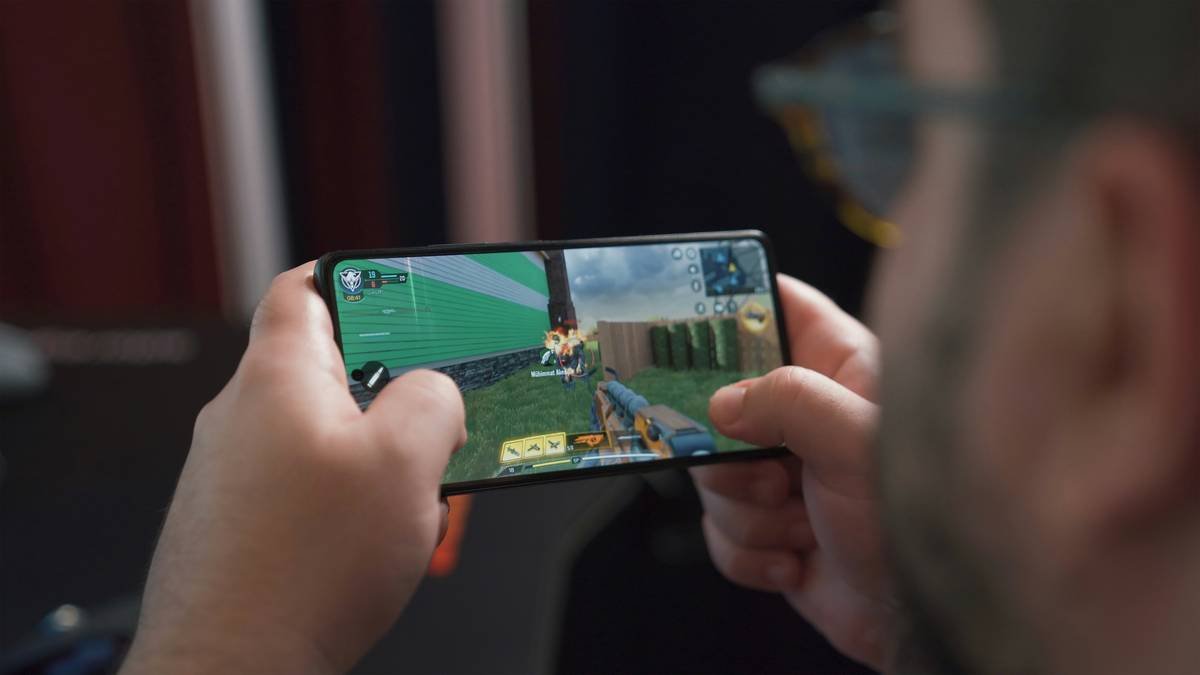
Before 2018, “battle royale on mobile” sounded like a pipe dream. Phones lacked the processing power, touch controls felt clunky, and most devs assumed players wouldn’t tolerate 30-minute matches on a tiny screen. Then came March 19, 2018—the day PUBG Mobile dropped globally.
I remember testing it on a battered iPhone 6 during a layover in Frankfurt. My fan sounded like a jet turbine trying to render Erangel at medium settings—but I couldn’t stop playing. Within weeks, cafes in Seoul, Jakarta, and São Paulo were packed with teens clutching phones, shouting “3rd floor! Snipers!” like it was normal. It wasn’t. It was revolutionary.
The numbers back it up: According to SuperData Research, mobile battle royale games generated $1.37 billion in 2018 alone—more than the entire PC battle royale market combined. Apple even named PUBG Mobile its “iPhone Game of the Year.” This wasn’t just a trend; it was a tectonic shift in how we define “core” gaming.
Step-by-Step: What Made These Games Actually Work?
How Did PUBG Mobile Nail the Port?
Optimist You: “They just shrunk PC assets!”
Grumpy You: “Ugh, fine—but only if you acknowledge the GPU-screaming nightmare that was dynamic lighting on a Snapdragon 625.”
PUBG Corp didn’t just reskin the PC game. They rebuilt core systems:
- Control customization: Added auto-pickup, smart inventory, and gyroscope aiming—game-changers for thumb accuracy.
- Match pacing: Reduced circle timers slightly to fit mobile attention spans without breaking realism.
- Progressive graphics: Offered “Smooth” mode that ran on devices as old as the Galaxy S6—critical for emerging markets.
Why Fortnite Mobile Struggled (At First)
Epic’s iOS version launched April 2, 2018—but only via invite. Players camped Twitter refreshing @FortniteGame hourly. When I finally got access? My iPad Pro throttled after 12 minutes. The real issue wasn’t performance—it was input lag. Fortnite’s building mechanic demanded pixel-perfect taps, and capacitive screens just weren’t ready.
Ironically, this forced Epic to innovate: by late 2018, they’d added radial build menus and one-touch edits—features now standard in every mobile BR.
Pro Tips That Still Hold Up Today
These aren’t retro tips—they’re enduring truths forged in the 2018 fires:
- Always enable gyroscope aiming. Even today, pros swear by it. In 2018, I ignored it—then got out-peeked by a 13-year-old using “gyro + thumb stick” hybrid controls. Never again.
- Lower graphics = higher FPS = survival. On mid-range devices, “Smooth + Extreme” gave 45 FPS vs. “Ultra + Low” at 22 FPS. Frame rate beats eye candy in gunfights.
- Use headphones with spatial audio. Footsteps in PUBG Mobile 2018 had directional cues—if your buds supported it. Game-changer for ambush detection.
- Avoid peak hours in Tier 1 cities. East Asia servers in 2018 regularly hit 120ms ping during rush hour. Play at 3 AM local time for buttery-smooth matches.
My 2018 Pet Peeve: “Free-to-Play = Pay-to-Win” Nonsense
Look, yes—PUBG Mobile sold skins. But no, buying a dragon backpack didn’t give armor stats. Yet Reddit threads screamed “P2W!” because someone lost to a player wearing the $20 Golden Pan. Skill > cosmetics, always. Still is.
Real Case Studies: PUBG Mobile vs. Fortnite Mobile
PUBG Mobile: The Emerging Markets Domination
By Q4 2018, 68% of PUBG Mobile’s revenue came from China and Southeast Asia (Sensor Tower). Why? Tencent optimized aggressively for MediaTek chipsets and sub-$200 Androids. They even added regional maps like Livik later—but the groundwork was laid in 2018.
Fortnite Mobile: The Western Halo Effect
Despite technical hurdles, Fortnite Mobile leveraged its console/PC player base. Cross-progression meant your Battle Pass carried over—massive retention driver. By December 2018, it hit 15M mobile downloads… but only after opening invites to all iOS users in September.
The lesson? Porting isn’t enough—you need ecosystem synergy. PUBG leaned into mobile-native design; Fortnite banked on franchise loyalty. Both valid, both profitable.
FAQs About Battle Royale Mobile Games 2018
Which battle royale mobile game was #1 in 2018?
PUBG Mobile dominated globally in downloads and revenue. It earned $640M in 2018 alone—nearly half the mobile BR market (SuperData).
Was Fortnite Mobile available on Android in 2018?
No—Epic bypassed the Google Play Store entirely, distributing via their website starting August 2018. This led to security warnings and lower adoption vs. iOS.
Are 2018 versions of these games still playable?
Not officially. Both PUBG Mobile and Fortnite received massive updates post-2018. However, APK archives exist—but we don’t recommend them due to malware risks and lack of anti-cheat.
What terrible tip did people follow in 2018?
“Download ‘hack’ mods to win faster.” Seriously—I saw a cousin brick his phone with a fake PUBG Mobile APK that installed ransomware. Don’t be that guy.
Conclusion
2018 wasn’t just another year for battle royale mobile games—it was the big bang. PUBG Mobile proved complex shooters could thrive on phones; Fortnite showed cross-platform ambition was possible. The control schemes, optimization tricks, and monetization models born that year still echo in every tap, swipe, and headshot today.
If you played even one match in 2018, you witnessed history. And if you’re jumping into mobile BRs now? You’re standing on the shoulders of sweaty, caffeine-jittering pioneers who fought for every frame per second.
Like a Nokia 3310, your legacy endures—unbreakable, slightly pixelated, and forever iconic.