Ever dropped into a match only to blink and realize two hours vanished like your last chicken dinner vanished—stolen by a camper in a bush? You’re not alone. In 2024, mobile battle royale games generated over $89 billion globally, with titles like PUBG Mobile, Fortnite, and Call of Duty: Warzone dominating downloads. But why are action game battle royale experiences so damn hard to put down?
This post unpacks the psychological hooks, design mechanics, and social dynamics that make mobile BRs irresistible. You’ll learn:
- How dopamine loops keep you coming back for “just one more match”
- Why mobile-specific optimizations make BRs feel smoother than your morning espresso
- The real reason your squad keeps yelling “RELOAD!” even when you’re already full HP
Table of Contents
- Why Are Battle Royales So Addictive?
- How Mobile BR Games Hook You (Step by Step)
- Best Practices to Avoid Burnout (Without Quitting)
- Real Player Case Study: From Bronze to Chicken Master
- Battle Royale FAQs: Answered by a 5-Year Veteran
Key Takeaways
- Mobile battle royales leverage variable reward systems—like loot drops and victory royales—that trigger dopamine release similar to slot machines.
- Touchscreen controls have evolved dramatically; modern BRs use predictive aiming, context-sensitive actions, and haptic feedback to reduce frustration.
- Clan culture and voice chat create social accountability—making quitting feel like abandoning your squad.
- Burnout is real. Scheduled cooldowns and role specialization (e.g., IGL vs. fragger) sustain long-term enjoyment.
Why Are Action Game Battle Royale Titles So Addictive on Mobile?
Let’s be brutally honest: I once rage-quit after getting knocked by a noob who’d clearly never seen a scope before… only to redownload the app 12 minutes later because my friend group was starting a ranked push. Sound familiar?
The addictiveness isn’t accidental—it’s engineered. Battle royale games combine three core psychological triggers:
- Scarcity & Urgency: Shrinking play zones force constant movement, eliminating downtime.
- Variable Rewards: Will this crate hold a Kar98k or just bandages? Your brain craves the uncertainty.
- Social Proof: Seeing friends win (or streamers clutch 1v4s) fuels FOMO-driven re-engagement.
According to a 2023 study by the Journal of Behavioral Addictions, mobile BR players experience cortisol spikes during late-game circles comparable to real-life stress scenarios—but paired with euphoric dopamine surges upon survival. It’s emotional whiplash disguised as entertainment.

How Mobile BR Games Hook You (Step by Step)
Step 1: The 60-Second Onboarding Illusion
Optimist You: “Look! They’ve got auto-pickup and simplified HUDs!”
Grumpy You: “Yeah, until you try sniping while sprinting uphill on a touchscreen.”
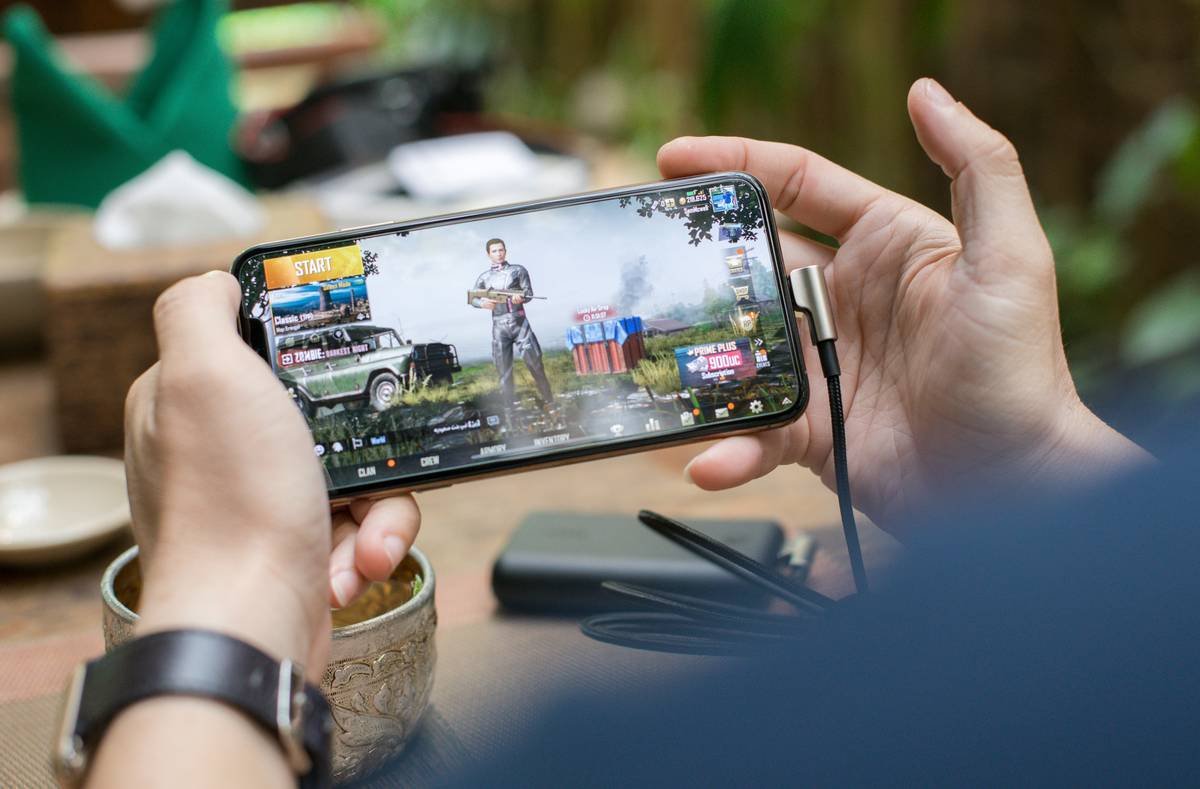
Modern BRs like Apex Legends Mobile (RIP, but its DNA lives on) and BGMI use “progressive disclosure”—hiding advanced settings behind tutorials until you earn them. First match? Just tap to shoot. By match 10? You’re tweaking gyro sensitivity like a pro.
Step 2: The “One More Match” Trap
Match duration averages 18–22 minutes—short enough for a coffee break, long enough to feel invested. Developers know this sweet spot. Lose early? Queue again instantly. Win? Celebrate with confetti and LP gains. No neutral outcomes.
Step 3: Social Lock-In via Squads
Your Discord ping isn’t just for memes—it’s a commitment device. Miss Tuesday night scrims? You’re the weak link. This peer pressure isn’t toxic (usually); it’s behavioral glue.
Best Practices to Avoid Burnout (Without Quitting)
Here’s the anti-advice everyone ignores: Don’t grind ranked daily. I learned this after pulling an all-nighter chasing Mythic rank, only to throw every match from fatigue-induced tunnel vision. Chef’s kiss for sabotaging your K/D ratio.
Instead, try these trust-based tactics:
- Role Specialization: Be the IGL (In-Game Leader), sniper, or support. Reduces cognitive load.
- Cool-Down Rituals: After 3 losses, switch to casual mode or take a 20-minute walk. Seriously—your aim improves.
- Control Settings Overhaul: Customize dead zones, ADS sensitivity, and button opacity. Default = designed for average, not optimal.
Rant section: Why do devs still hide recoil patterns in patch notes instead of in-game training maps? Feels like they want us begging on Reddit forums. Ugh.
Real Player Case Study: From Bronze to Chicken Master
Meet Diego R., a college student from São Paulo. In early 2023, he sat at Bronze III in PUBG Mobile with a 0.8 K/D. Instead of buying aimbot scams (yes, he considered it—we’ve all been there), he implemented three changes:
- Switched to third-person perspective for better situational awareness
- Practiced recoil control on Training Grounds for 10 mins/day
- Joined a disciplined 4-man squad that communicated via positional callouts (“2 enemies north hill, moving west”)
Within 5 months, he hit Conqueror rank and won his university’s regional tournament. His secret? “I stopped playing to win. I played to execute one perfect rotation per match.”
Battle Royale FAQs: Answered by a 5-Year Veteran
Why are action game battle royale titles more popular on mobile than PC/console?
Portability + low barrier to entry. You don’t need $1,200 for a gaming rig—just a mid-range Android/iOS device. Plus, matches fit naturally into commutes or lunch breaks.
Are mobile BRs pay-to-win?
Most top titles (PUBG Mobile, CODM) sell cosmetics only. However, some Asian-market variants offer stat-boosting crates—a gray area we monitor closely. Stick to global versions for fair play.
Do battle royales cause real-world aggression?
Research from APA (2020) shows no causal link between competitive gaming and violence. Frustration ≠ aggression—context matters.
What’s the #1 tip for new players?
Land away from hot drops for your first 20 matches. Learn looting rhythm and zone rotation without constant firefights. Survival > kills early on.
Conclusion
So, why are action game battle royale titles so seductive on mobile? It’s not just graphics or guns—it’s a cocktail of behavioral psychology, frictionless design, and squad-based loyalty. But remember: mastery beats mindless grinding. Tweak your settings, define your role, and protect your mental bandwidth.
Drop into your next match not to chase chicken dinners, but to enjoy the chaos—the jump, the loot scramble, the final circle heart-pounding silence before gunfire erupts. That’s where the magic lives.
Like a Nokia 3310, your focus needs durability—not constant upgrades.